
Rosemary: The Herb for Focus, Gut Health, and Antioxidant Power
As a Doctor of Clinical Nutrition (DCN) resident and Whole Foods Chef-in-Training, I love finding herbs that connect food with physiology — where culinary tradition meets clinical function. For my culinary cohort presentation, I chose Rosmarinus officinalis (rosemary) because it bridges both worlds perfectly.
Rosemary has been celebrated for centuries for sharpening memory and awakening the senses. Today, research confirms that this piney Mediterranean herb supports brain health, gut balance, and antioxidant defense — three pillars I focus on in my work with ADHD, fatigue, and hormone imbalance.
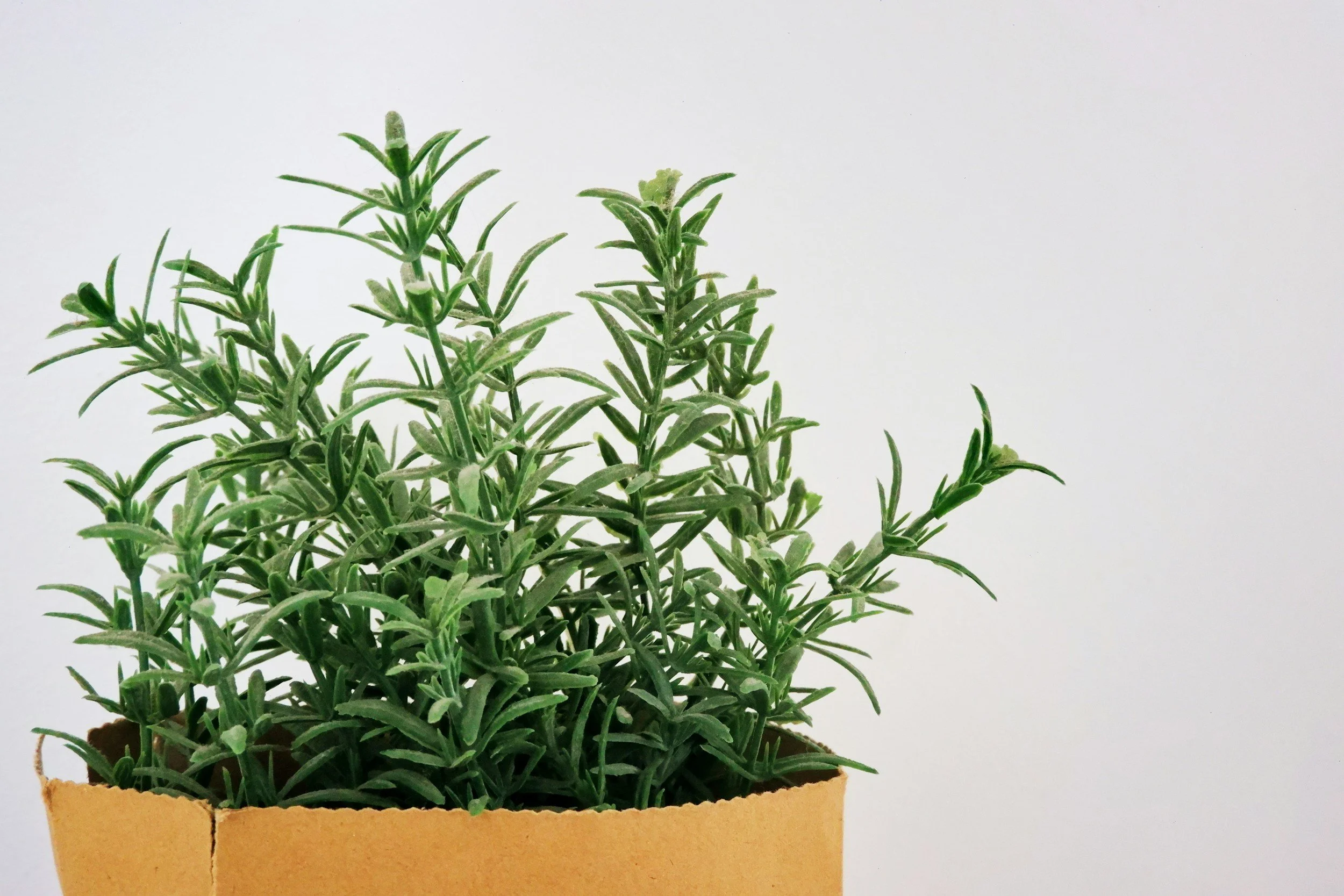
Rosemary for the Brain:
Focus, Mood, and Memory 🧠
The scent of rosemary alone can stimulate alertness. Clinical studies show that its volatile oils — particularly 1,8-cineole — can improve working memory, concentration, and cognitive performance after just minutes of inhalation.
For individuals with ADHD or focus-related fatigue, rosemary’s compounds like carnosic acid help protect neurons from oxidative stress and regulate neurotransmitters that influence attention and mood.
In one clinical trial, students who took rosemary extract for 4 weeks had significant improvements in memory, sleep, and anxiety (Nematolahi et al., 2018).
In other words, rosemary doesn’t just make your kitchen smell incredible — it’s also gently rewiring your brain for calm, focus, and clarity.
Rosemary and the Gut:
Food as Medicine 🍲
In functional nutrition, we know the gut and brain are inseparable — and rosemary supports both. Its phenolic acids, especially rosmarinic acid, have antimicrobial properties that inhibit harmful bacteria while encouraging a healthier microbial balance.
I love adding fresh rosemary to bone broth, soups, and salad dressings because it also supports the liver and digestive system, helping the body metabolize toxins more efficiently. In animal studies, rosemary extract protected the gut lining and reduced inflammation, suggesting it may be beneficial for those with IBS, SIBO, or gut-brain dysregulation.
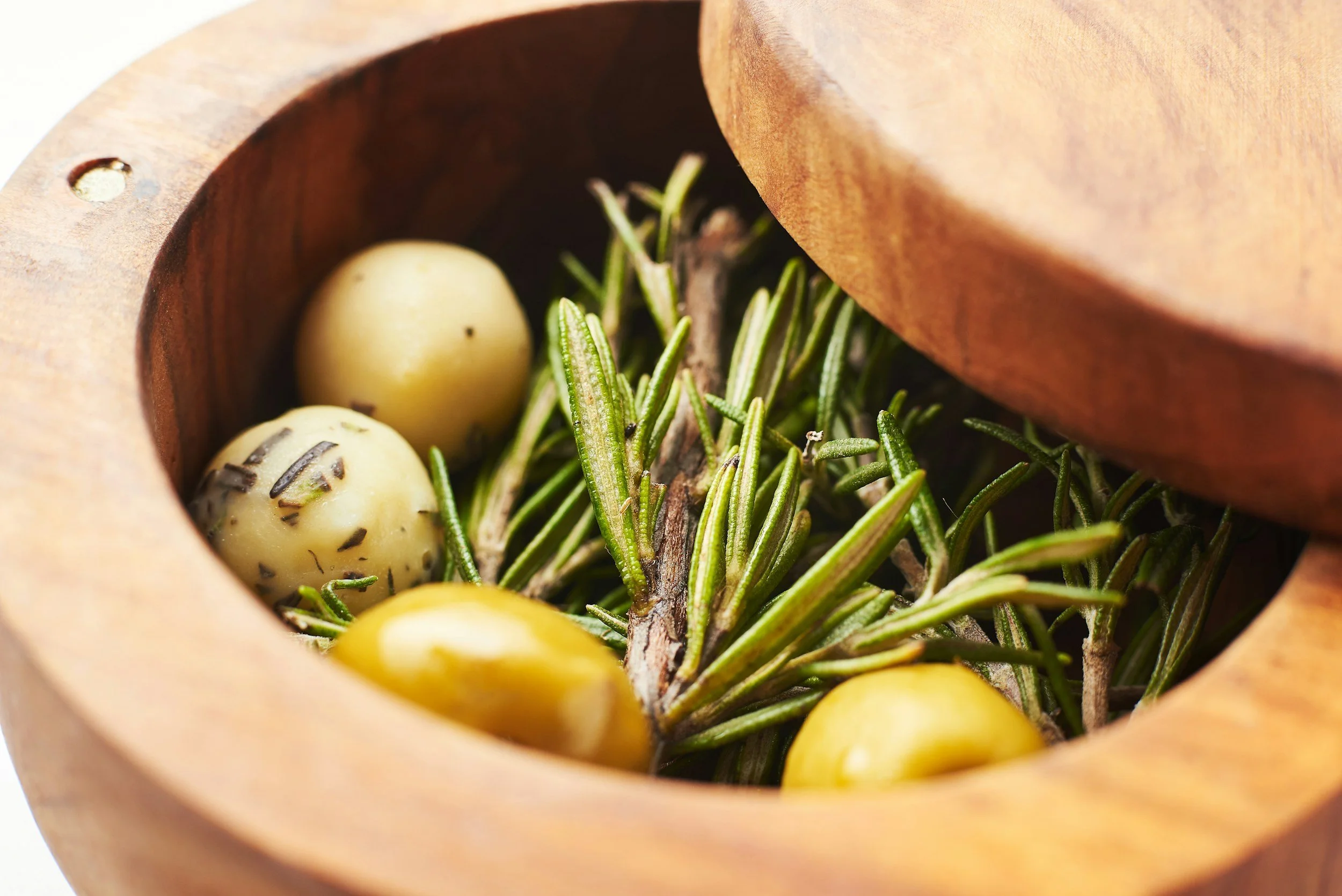
The Grilling Guard 🔥
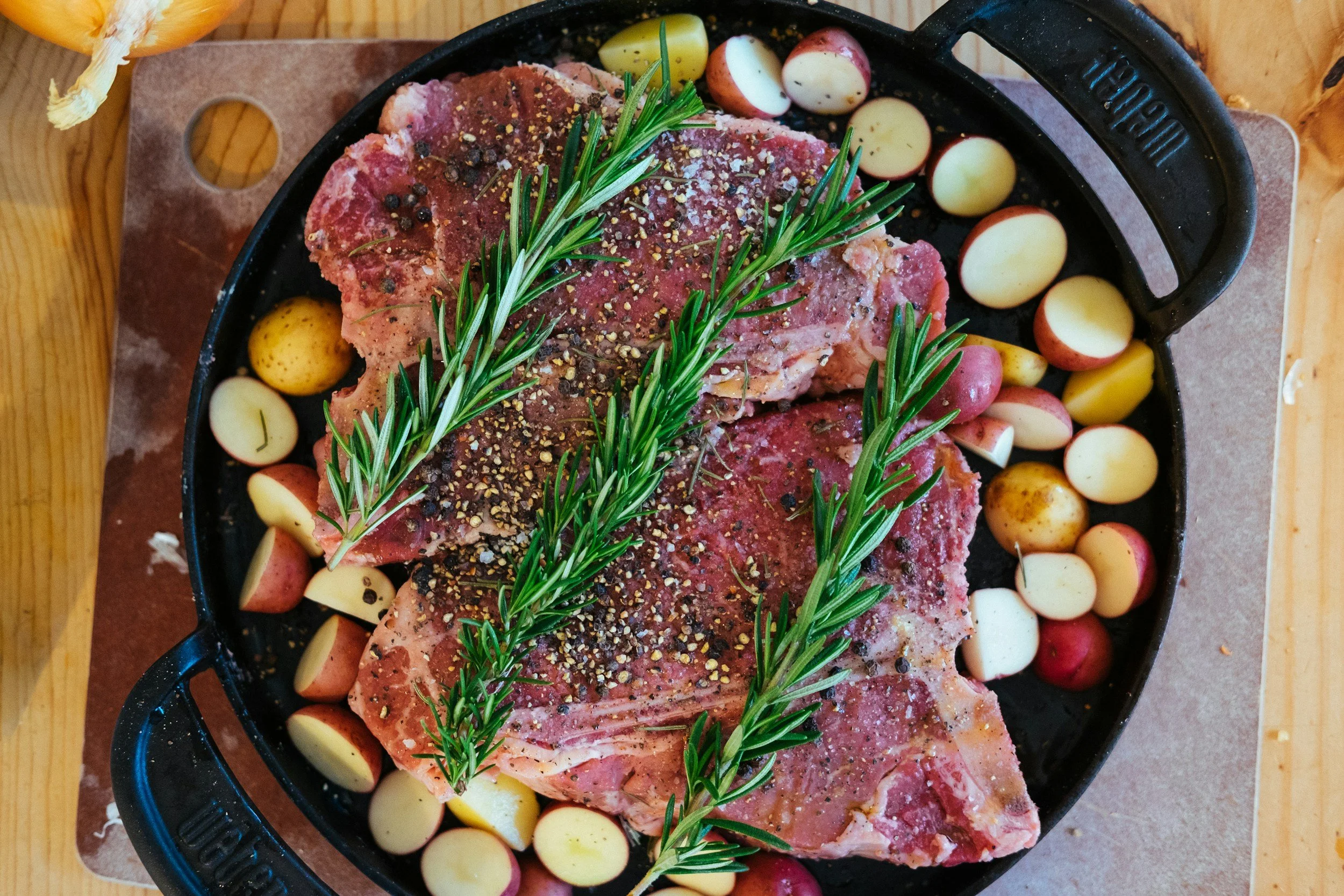
One of my favorite kitchen discoveries (from Healing Spices, Aggarwal & Yost, 2011) is that rosemary is the ultimate grilling guard. When added to meats or tossed onto hot coals, its antioxidants prevent the formation of heterocyclic amines (HCAs) — harmful compounds formed during high-heat cooking.
Beyond its chemistry, the sensory experience is unmatched. As rosemary hits the pan, the air fills with a piney, resinous aroma that calms the nervous system while awakening the appetite — aromatherapy and antioxidant therapy in one.
How I Cooked with Rosemary:
Flavor Meets Function
During my project, I experimented with rosemary daily to explore how it behaves in heat, oil, and flavor pairings:
Dried rosemary in salad dressing — antioxidant depth in every bite.
A handful in bone broth for immune and gut support.
Fresh rosemary rubs for pork and roasted vegetables.
Rosemary-infused olive oil for an antimicrobial and antioxidant boost.
Unlike many herbs, rosemary retains its flavor and therapeutic value even after long, slow cooking, making it ideal for soups, stews, and oven roasts.
Recipe Spotlight:
Rosemary Pork Chop Spice Blend
This blend I created quickly became a family favorite — my husband couldn’t stop raving!
Ingredients
1 Tbsp fresh rosemary
3 cloves garlic (minced)
2 tsp sea salt
1 Tbsp smoked paprika
1 tsp dried thyme, pinch of black pepper
¼ cup olive oil
Directions
Mix, marinate pork chops for 4 hours, then pan-sear in herb-infused olive oil.
The flavor is earthy, smoky, and deeply aromatic — and every bite is packed with antioxidants that help protect cells from oxidative stress.
In the Clinic:
The Science of Rosemary 🌿
Modern research continues to reveal rosemary’s broad therapeutic potential:
Neuroprotective: Improves memory, learning, and mood while reducing neuroinflammation (Ghasemzadeh Rahbardar & Hosseinzadeh, 2020).
Gut & Liver Protective: Reduces oxidative damage, supports detoxification, and normalizes lipid metabolism (Albasher et al., 2024).
Antioxidant Powerhouse: Activates the Nrf2 pathway, boosting natural antioxidant enzymes like glutathione and catalase (Alavi et al., 2021).
These mechanisms make rosemary a quiet multitasker in functional medicine — equally valuable in a focus protocol for ADHD, a gut-healing plan, or an antioxidant-based hormone reset.
Monograph Summary:
Rosemary (Salvia rosmarinus)
Family: Lamiaceae (mint family)
Parts Used: Leaves and flowering tops
Native Region: Mediterranean Basin
Main Compounds:
Phenolic diterpenes: carnosic acid, carnosol
Phenolic acids: rosmarinic acid
Triterpenes: ursolic acid
Flavonoids: apigenin, luteolin
Volatile oils: 1,8-cineole, camphor, borneol
Actions: Antioxidant, anti-inflammatory, antimicrobial, neuroprotective, hepatoprotective, circulatory stimulant
Culinary Notes:
Stable in heat, ideal for slow cooking and roasting
Pairs well with garlic, lemon, thyme, sage, and paprika
Safety:
GRAS in culinary use.
Avoid concentrated extracts during pregnancy or with anticoagulants.
Rosemary proves that healing can begin in the kitchen. Whether you’re supporting focus, balancing your gut, or defending against oxidative stress, this simple Mediterranean herb has your back — and your brain.
When flavor meets function, every meal becomes medicine.
Ready to bring more food-as-medicine wisdom into your kitchen?
Join my newsletter for functional nutrition insights, cooking inspiration, and exclusive guides straight from my clinical practice and culinary studies.
References
Aggarwal, B. B., & Yost, D. (2011). Healing spices: How to use 50 everyday and exotic spices to boost health and beat disease. Sterling Publishing Co.
Alavi, M. S., Fanoudi, S., Ghasemzadeh Rahbardar, M., Mehri, S., & Hosseinzadeh, H. (2021). An updated review of protective effects of rosemary and its active constituents against natural and chemical toxicities. Phytotherapy Research, 35(3), 1313–1328. https://doi-org.proxy-ln.researchport.umd.edu/10.1002/ptr.6894
Ghasemzadeh Rahbardar, M., & Hosseinzadeh, H. (2020). Therapeutic effects of rosemary (Rosmarinus officinalis L.) and its active constituents on nervous system disorders. Iranian Journal of Basic Medical Sciences, 23(9), 1100–1112. https://doi-org.proxy-ln.researchport.umd.edu/10.22038/ijbms.2020.45269.10541
Ghasemzadeh Rahbardar, M., & Hosseinzadeh, H. (2025). Toxicity and safety of rosemary (Rosmarinus officinalis): A comprehensive review. Naunyn-Schmiedeberg’s Archives of Pharmacology, 398(1), 9–23. https://doi.org/10.1007/s00210-024-03336-9
González-Minero, F. J., Bravo-Díaz, L., & Ayala-Gómez, A. (2020). Rosmarinus officinalis L. (rosemary): An ancient plant with uses in personal healthcare and cosmetics. Cosmetics, 7(4), 77. https://doi.org/10.3390/cosmetics7040077
Herb Society of America. (n.d.). Retrieved November 1, 2025, from https://www.herbsociety.org/
Karlíčková, J., & Klížová, A. (2024). Rosemary – its biologically active compounds and their pharmacological effects. Česká a Slovenská Farmacie: Časopis České farmaceutické společnosti a Slovenské farmaceutické společnosti, 73(1), 42–46. https://doi-org.proxy-ln.researchport.umd.edu/10.36290/csf.2024.008
Nematolahi, P., Mehrabani, M., Karami-Mohajeri, S., & Dabaghzadeh, F. (2018). Effects of Rosmarinus officinalis L. on memory performance, anxiety, depression, and sleep quality in university students: A randomized clinical trial. Complementary Therapies in Clinical Practice, 30, 24–28. https://doi-org.proxy-ln.researchport.umd.edu/10.1016/j.ctcp.2017.11.004
Petiwala, S. M., & Johnson, J. J. (2015). Diterpenes from rosemary (Rosmarinus officinalis): Defining their potential for anti-cancer activity. Cancer Letters, 367(2), 93–102. https://doi-org.proxy-ln.researchport.umd.edu/10.1016/j.canlet.2015.07.005
Ribeiro-Santos, R., Carvalho-Costa, D., Cavaleiro, C., Costa, H. S., Albuquerque, T. G., Castilho, M. C., Ramos, F., Melo, N. R., & Sanches-Silva, A. (2015). A novel insight on an ancient aromatic plant: The rosemary (Rosmarinus officinalis L.). Trends in Food Science & Technology, 45(2), 355–368. https://doi.org/10.1016/j.tifs.2015.07.015
