
Is Black Cohosh a BFF for Your Hormones?
A Clinical Herbalist’s Deep Dive Into Actaea racemosa
Black cohosh is one of those herbs that seems to live permanently in the hormone conversation.
It gets recommended casually for hot flashes.
It gets criticized for “mixed evidence.”
It gets labeled as estrogenic, anti-estrogenic, unsafe, or miracle-level helpful depending on who you ask.
So which is it?
The truth, as usual, is more nuanced and far more interesting. Black cohosh (Actaea racemosa, formerly Cimicifuga racemosa) is not a trendy hormone hack or a one-size-fits-all solution. It is a clinically relevant medicinal plant with a long history of traditional use, a surprisingly complex mechanism of action, and research that looks inconsistent mainly because quality, dosing, and preparation matter far more than most people realize (Braun & Cohen, 2024; Wuttke et al., 2014).
This blog is here to slow the conversation down, clear up the confusion, and give black cohosh the thoughtful, evidence-informed respect it deserves.
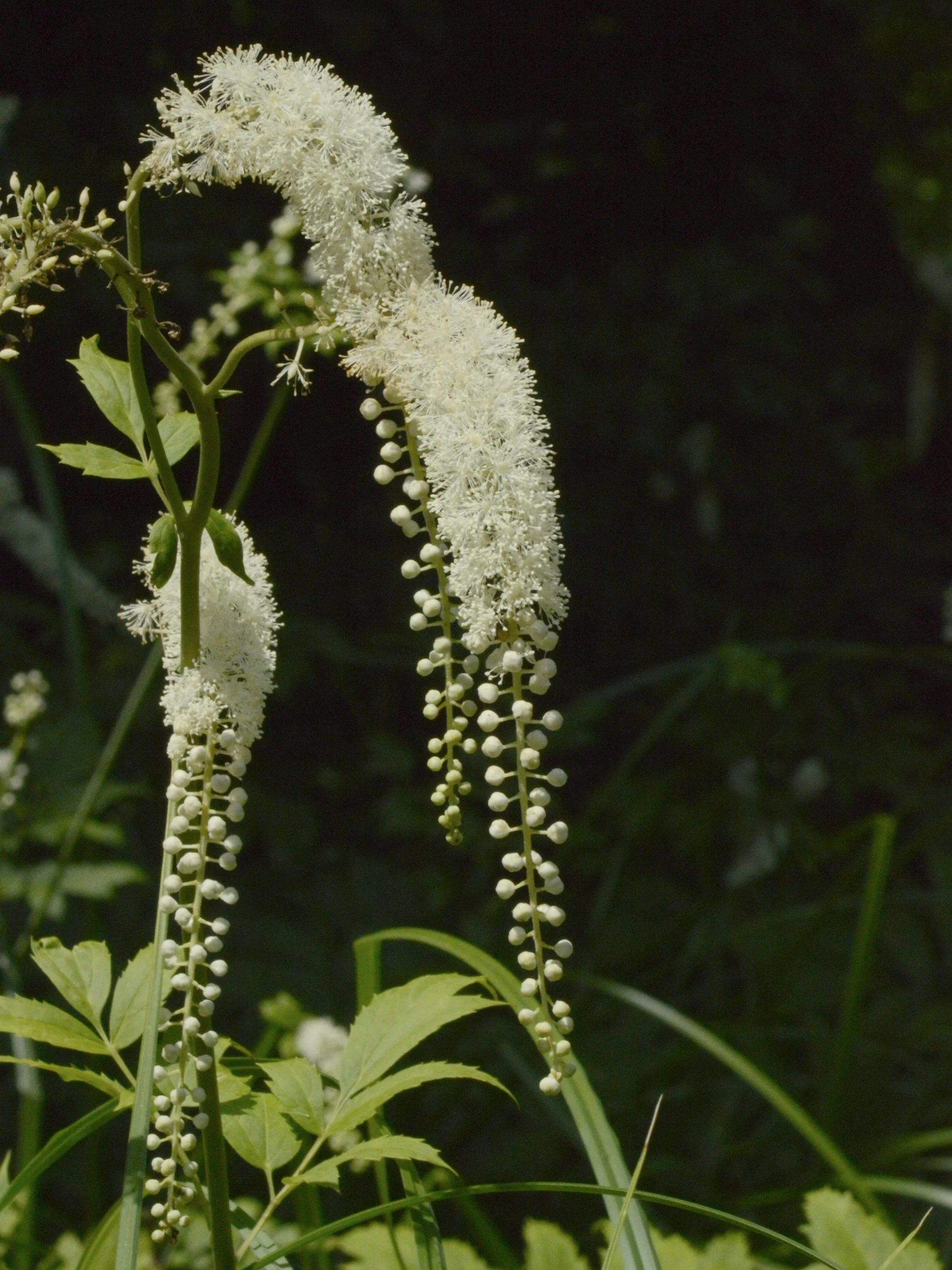
Meet the Plant: A Mini Materia Medica
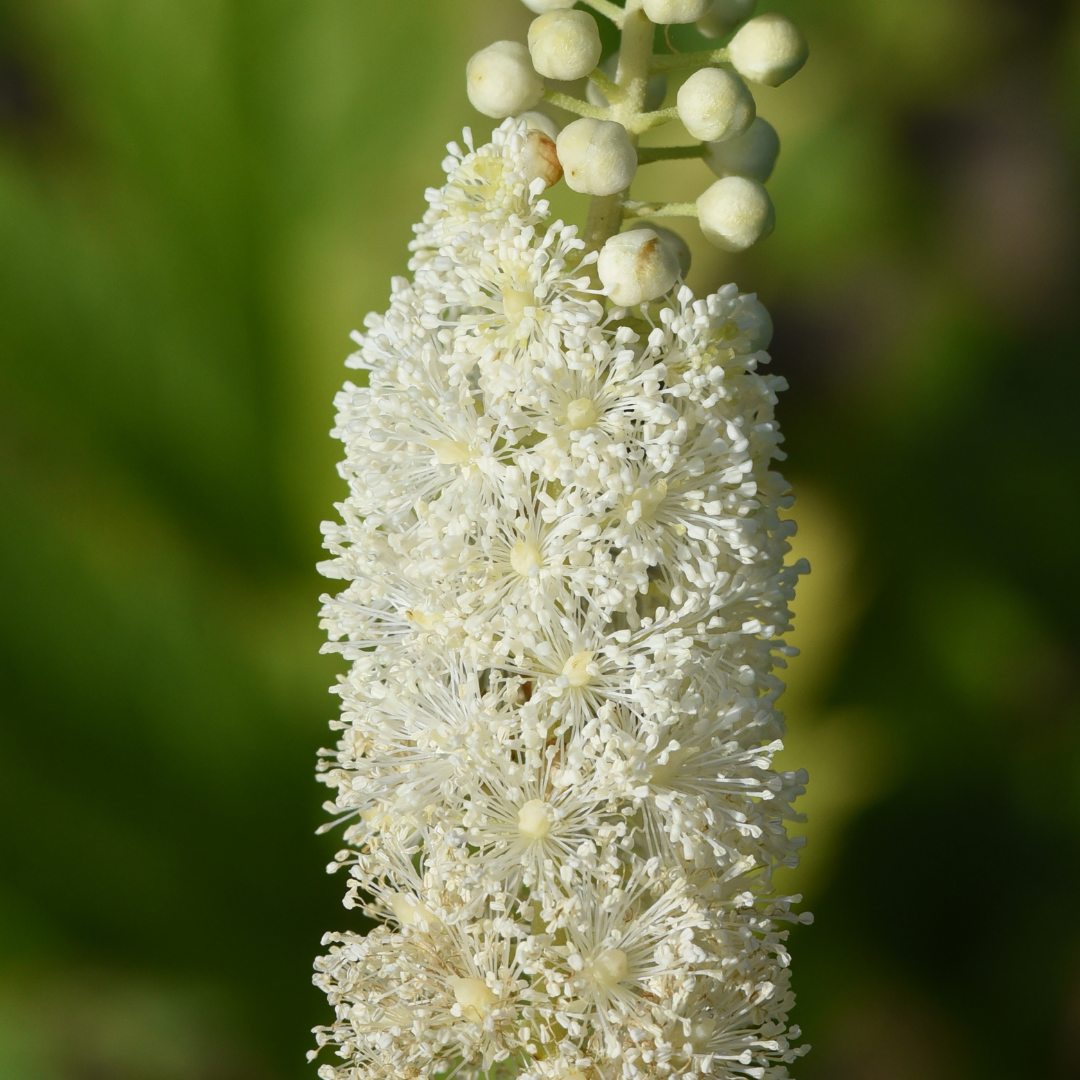
Black cohosh is a perennial woodland plant native to North America, particularly the eastern United States. It thrives in shaded forest understories and has a long, knobby rhizome that stores its medicinal compounds (Felter & Lloyd, 1898/2023).
Botanical name: Actaea racemosa
Family: Ranunculaceae (buttercup family)
Part used: Rhizome and root
Taste & energetics: Bitter, cooling to neutral, grounding, subtly antispasmodic
Traditional themes: Female reproductive pain, nervous system support, musculoskeletal tension, inflammatory conditions
From an energetic perspective, black cohosh is not stimulating or aggressive. It works slowly and steadily, with effects that build over time rather than hitting all at once. This alone explains why people expecting instant results often feel disappointed.
A Brief Historical Note
(Because Context Matters)
Black cohosh was used by Native American tribes centuries before modern hormone language existed. Traditional applications centered on female reproductive health, including uterine pain, dysmenorrhea, and support during childbirth. It was also used for fatigue, arthritis, rheumatic pain, and snakebite (Braun & Cohen, 2024).
European settlers quickly adopted the plant, and by the 19th century, black cohosh had become a staple remedy in both Europe and North America for gynecological and musculoskeletal complaints.
Eclectic physicians in North America valued black cohosh not only for menstrual and reproductive issues, but also for myalgia, neuralgia, and rheumatic conditions. Felter described its hallmark indication as “heavy, tensive, aching pain,” particularly when muscular or uterine in origin (Felter & Lloyd, 1898/2023).
That broader use gives us an important clue: this herb was never just about hormones. It was about pain modulation, nervous system tone, and inflammatory balance.
Modern research is finally catching up to that perspective.
So… Is Black Cohosh Estrogenic?
This is the question that refuses to die.
Short answer: No, black cohosh does not act like estrogen in the body.
Longer, more accurate answer: black cohosh appears to act as a selective estrogen receptor modulator–like agent (SERM-like) without increasing circulating estrogen levels or stimulating estrogen-sensitive tissues such as the breast or endometrium (Wuttke et al., 2003; Fritz et al., 2013).
Multiple human studies show that black cohosh does not increase estradiol, FSH, or LH levels, nor does it exert estrogenic effects on mammary or endometrial tissue (Wuttke et al., 2003; Braun & Cohen, 2024). This is a critical distinction and one that is often missed in casual supplement conversations.
Instead, black cohosh appears to influence hormone-related symptoms primarily through central nervous system and neuroendocrine pathways, including:
Selective estrogen receptor modulation
Serotonergic activity (notably 5-HT₇ receptor binding)
Dopaminergic effects
Anti-inflammatory signaling
Hypothalamic-pituitary modulation
This helps explain why black cohosh can improve hot flashes, mood, sleep disturbance, and nervous system symptoms without functioning as estrogen replacement therapy (Burdet et al., 2003; Powell et al., 2008).
Why the Research Looks “Inconsistent”
If you’ve ever heard someone say, “Black cohosh doesn’t really work, the trials are mixed,” they’re not wrong—but they’re also missing the bigger picture. The inconsistency has very little to do with the plant itself and almost everything to do with preparation quality and dosing.
European trials, particularly those using standardized extracts such as BNO 1055 (Remifemin), consistently demonstrate benefit for menopausal vasomotor symptoms. In several studies, these extracts performed comparably to conjugated or topical estrogen for reducing hot flashes, without stimulating estrogen-sensitive tissues (Wuttke et al., 2006; Drewe et al., 2013).
In contrast, many U.S. trials used poorly characterized supplements, inconsistent dosing, or products later found to contain Asian Cimicifuga species, which are chemically distinct from Actaea racemosa (Wuttke et al., 2014). When species authentication, extraction method, and dose vary widely, outcomes will too.
What Black Cohosh May Help With
(According to the Evidence)
Menopausal Vasomotor Symptoms
This is where black cohosh shows its most consistent support.
Randomized controlled trials and systematic reviews demonstrate reductions in hot flash frequency and severity, particularly with standardized European extracts. Improvements often extend to night sweats, sleep disturbance, anxiety, and mood symptoms (Geller & Studee, 2005; Leach & Moore, 2012).
Importantly, benefits typically emerge after 4–12 weeks, not overnight.
Perimenopause (With an Important Nuance)
Clinically, black cohosh may encourage the body to continue menstruating during perimenopause rather than suppress cycling. For some women, this is stabilizing and supportive. For others, it may feel counterproductive if the goal is cycle cessation.
This reflects black cohosh’s regulatory influence on the hypothalamic-pituitary-ovarian axis, rather than a suppressive or replacement effect (Braun & Cohen, 2024).
PMS and Dysmenorrhea
Commission E has approved black cohosh for premenstrual syndrome and painful menstruation, consistent with both historical use and clinical observations (Blumenthal et al., 2000).
Its antispasmodic and analgesic effects appear particularly relevant when pain is dull, aching, congestive, or rheumatic in quality.
Mood, Sleep, and Anxiety
Black cohosh’s interaction with serotonergic and dopaminergic receptors helps explain observed improvements in mood stability, anxiety, and sleep quality, particularly when symptoms are hormonally mediated (Burdet et al., 2003; Powell et al., 2008).
PCOS and Infertility (Adjunct Use)
Several randomized trials have explored black cohosh as an adjunct to clomiphene citrate in women with PCOS-related or unexplained infertility. Findings include improvements in hormonal profiles, follicular maturation, endometrial thickness, and in some cases, higher pregnancy rates (Shahin et al., 2008; Shahin et al., 2009; Kamel, 2013).
This is not casual self-care territory, but it is a clinically meaningful area of research.
Bone Metabolism
Black cohosh appears to support bone formation and inhibit bone breakdown through estrogen-receptor–dependent mechanisms without increasing estrogen levels, suggesting potential value in postmenopausal bone health strategies (Fritz et al., 2013; Wuttke et al., 2006).
Dosing, Forms, and Why More Is Not Better
Most strong clinical data comes from standardized extracts, not generic capsules. Typical dosing ranges include:
Standardized extract (e.g., Remifemin): 20 mg twice daily
Tincture (1:10): a few drops up to 2–4 mL, 2–3 times daily
Fluid extract (1:1): lower doses, used cautiously
Perimenopausal symptom range: 40–160 mg/day depending on preparation
Black cohosh is not a “more is better” herb. Excessive dosing does not improve outcomes and may increase side effects (Braun & Cohen, 2024).
Safety, Interactions, and the Liver Question
Black cohosh is generally well tolerated. Most reported adverse effects are mild and reversible, including gastrointestinal upset, headache, dizziness, or rash (Leach & Moore, 2012).
Rare cases of idiosyncratic hepatotoxicity have been reported, but large safety reviews and pharmacovigilance assessments have not established a clear causal relationship in most cases (Mahady et al., 2008; Naser et al., 2011). Many reports involved confounding variables such as multi-ingredient products, medications, or preexisting liver disease.
Clinical caution is still warranted, particularly in individuals with liver disease or those taking potentially hepatotoxic medications.
Experimental data suggest possible interactions with chemotherapy agents such as cisplatin, doxorubicin, and docetaxel, reinforcing the need for professional oversight in these cases (Rockwell et al., 2005).
Who Black Cohosh Is (and Is Not) For
Black cohosh may be a good fit when:
Vasomotor symptoms are prominent
Mood and sleep are hormonally disrupted
Estrogen therapy is contraindicated or undesired
Symptoms reflect hypothalamic or nervous system involvement
It may not be ideal when:
Immediate symptom suppression is required
Active liver disease is present
Product quality cannot be verified
A single herb is expected to “fix everything”
Black cohosh is not a miracle herb, and it was never meant to be.
It is a thoughtful, system-aware plant medicine that works best when matched carefully to the individual, used at appropriate doses, and sourced with integrity.
When respected, it can be a powerful ally during some of the most physiologically complex transitions in a woman’s life.
That’s not hype.
That’s herbal medicine done well.
References
Blumenthal, M., Goldberg, A., & Brinckmann, J. (2000). Herbal medicine: Expanded Commission E monographs. American Botanical Council.
Braun, L., & Cohen, M. (2024). Herbs & natural supplements: An evidence-based guide (4th ed.). Elsevier.
Burdet, C., et al. (2003). Black cohosh (Cimicifuga racemosa) as a serotonin receptor agonist. Journal of Agricultural and Food Chemistry, 51(19), 5670–5675.
Drewe, J., Zimmermann, C., & Zahner, C. (2013). The effect of Cimicifuga racemosa extract Ze 450 on climacteric complaints. Phytomedicine, 20(8–9), 659–666.
Felter, H. W., & Lloyd, J. U. (2023). King’s American dispensatory (Original work published 1898). Henriette’s Herbal.
Fritz, H., Seely, D., McGowan, J., et al. (2013). Black cohosh and breast cancer: A systematic review. Integrative Cancer Therapies, 13(1), 12–29.
Geller, S. E., & Studee, L. (2005). Botanical and dietary supplements for menopausal symptoms. Journal of Women’s Health, 14(7), 634–649.
Kamel, H. H. (2013). Role of Cimicifuga racemosa in PCOS-related infertility. Reproductive Biology and Endocrinology, 11, 12.
Leach, M. J., & Moore, V. (2012). Black cohosh (Cimicifuga racemosa) for menopausal symptoms. Cochrane Database of Systematic Reviews, CD007244.
Mahady, G. B., et al. (2008). United States Pharmacopeia review of black cohosh hepatotoxicity reports. Menopause, 15(4), 628–638.
Naser, B., et al. (2011). Suspected black cohosh hepatotoxicity. Menopause, 18(4), 366–375.
Powell, S. L., et al. (2008). Neuroendocrine effects of black cohosh. Planta Medica, 74(2), 138–144.
Rockwell, S., et al. (2005). Effects of black cohosh on chemotherapy agents. Cancer Research, 65(10), 4256–4261.
Shahin, A. Y., et al. (2008). Adding Cimicifuga racemosa to clomiphene citrate improves ovarian response. Reproductive Biomedicine Online, 16(4), 542–547.
Shahin, A. Y., et al. (2009). Hypothalamic-pituitary-ovarian modulation by black cohosh. Gynecological Endocrinology, 25(3), 177–183.
Wuttke, W., Gorkow, C., & Seidlova-Wuttke, D. (2003). Effects of black cohosh on climacteric symptoms. Maturitas, 44(Suppl 1), S67–S77.
Wuttke, W., et al. (2006). Black cohosh: Clinical data on efficacy and safety. Gynecological Endocrinology, 22(10), 572–580.
Wuttke, W., et al. (2014). Black cohosh: Pharmacology and clinical effects. Maturitas, 77(2), 129–136.
