
In Western herbalism, certain plants hold a reputation that has been built over centuries of clinical use, refined by generations of herbalists, and now supported by a growing body of research. Hawthorn is one of them.
As a registered herbalist, hawthorn is one of the plants I return to most consistently in clinical practice. Not because it is trendy or because a wellness influencer recommended it, but because it does something that very few plants do as well: it supports the heart and the nervous system at the same time, and in a way that is both biologically specific and deeply holistic.
Most people have never heard of it. Those who have often think of it purely as a cardiovascular herb. Both of those things are worth changing.
What Hawthorn Is
Hawthorn refers to several species of the genus Crataegus, members of the rose family (Rosaceae). The most commonly used species clinically are Crataegus monogyna, C. oxyacantha, and C. laevigata, though over 280 species exist worldwide. The plant grows as a thorny shrub or small tree, producing white to pink flowers in spring and clusters of small red berry-like fruits called haws in fall.
Different parts of the plant are used medicinally. The berries tend to contain higher concentrations of procyanidins, while the leaves and flowers have a higher total content of phenolic compounds. Clinical preparations often use a standardized extract combining all three parts for a broader constituent profile (Chevallier, 2000).
Key active constituents include bioflavonoids such as vitexin, rutin, quercetin, and hyperoside, along with oligomeric proanthocyanidins (OPCs), procyanidins, phenolic acids, and tannins. These compounds are responsible for hawthorn's well-documented antioxidant activity and its effects on both cardiovascular and nervous system function (Chevallier, 2000; American College of Healthcare Sciences, 2008).

Hawthorn has a long history of use across multiple traditions. In Traditional Chinese Medicine, the berries (known as Shanzha) are used for digestive stagnation. In Western herbalism, the plant is considered a cardiac trophorestorative, a category of herb that nourishes and gradually restores function to the heart over time rather than acting acutely. It is also classified as a relaxing nervine, meaning it calms the nervous system without sedating it.
The Nervous System Case for Hawthorn
The nervous system application of hawthorn is, in my clinical experience as a registered herbalist, the most underappreciated part of this plant's profile. And it is often the angle most relevant to the people I work with.
Hawthorn has been used as a relaxing nervine in Western herbal tradition for generations. Rosemary Gladstar, one of the most respected voices in American herbalism, has described hawthorn as her favorite remedy for sadness, grief, and loss, and for times when the heart needs extra protection (Gladstar, 2010). Renowned clinical herbalist David Winston includes hawthorn in his Grief Relief blend and has specifically recommended it for disturbed shen, a Traditional Chinese Medicine concept that encompasses anxiety, agitation, insomnia, and emotional dysregulation (Winston and Maimes, 2007).

The nervous system effects of hawthorn are not purely traditional. A double-blind, randomized, placebo-controlled trial published in 2004 evaluated a fixed combination of hawthorn (Crataegus oxyacantha), California poppy (Eschscholtzia californica), and magnesium in 264 patients with mild-to-moderate generalized anxiety. The active combination produced a statistically significant reduction in total Hamilton Anxiety Scale scores compared to placebo at the end of the 12-week study, with a significant difference also seen in patient-rated anxiety (Hanus et al., 2004).
A 2018 systematic review and meta-analysis of complementary approaches for generalized anxiety assessed this trial and rated it as having overall low risk of bias with an intention-to-treat analysis. The reviewers noted the statistically significant findings while also acknowledging that the absolute difference from placebo was modest and that confirmatory trials would strengthen the evidence base (Baric et al., 2018).
The honest framing: the anxiety evidence for hawthorn is promising and biologically plausible given its constituent profile, but the current research base is limited in size. What the research does support is that hawthorn appears safe and shows a clinically meaningful signal in mild-to-moderate anxiety when combined with other nervine and mineral support. It is not a pharmaceutical anxiolytic. It is a tonic nervine, meaning its effects build gradually over weeks of consistent use.
The Cardiovascular Case for Hawthorn
Hawthorn's cardiovascular reputation is built on a genuine body of evidence, though interpreting that evidence requires some nuance.
Hawthorn's primary cardiovascular actions, as established through research, include improving coronary blood flow, supporting myocardial contractility, and providing antioxidant protection to cardiac tissue through its oligomeric proanthocyanidin and flavonoid content. Smaller clinical trials conducted through the 1990s and early 2000s demonstrated improvements in exercise tolerance and symptom scores in patients with mild heart failure (Pittler et al., 2008).
The largest and most rigorous trial to date is the SPICE trial (Survival and Prognosis: Investigation of Crataegus Extract WS 1442 in Congestive Heart Failure), a randomized, double-blind, placebo-controlled trial of 2,681 adults with NYHA class II to III heart failure receiving standardized hawthorn extract WS 1442 at 900 mg per day added to guideline-directed medical therapy for 24 months (Holubarsch et al., 2008).
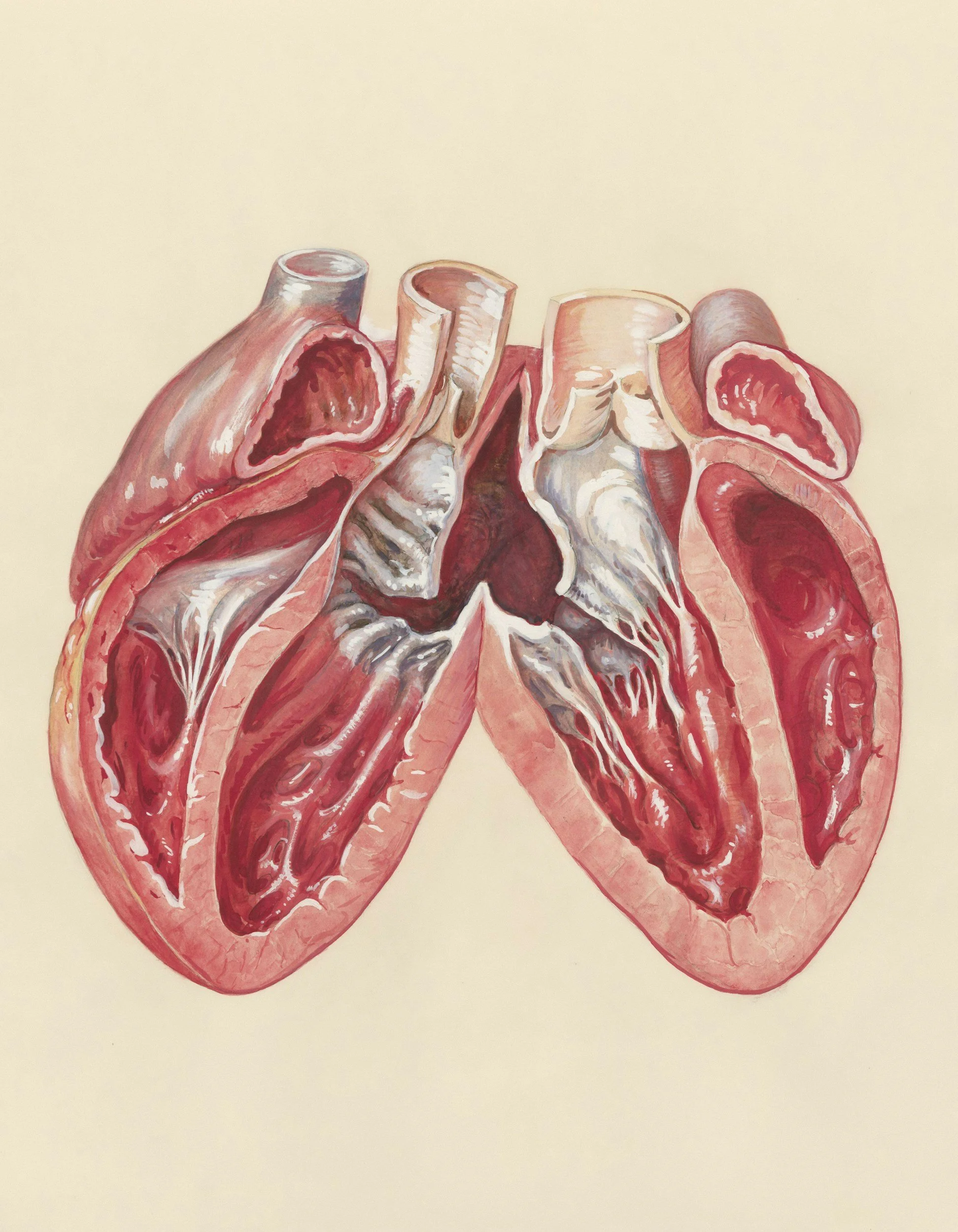
The SPICE trial did not meet its primary endpoint. Time to first cardiac event and event rates were comparable between the hawthorn and placebo groups. However, the trial did identify a notable subgroup finding: in patients with less severely compromised left ventricular function, hawthorn was associated with approximately a 40% reduction in sudden cardiac death at 24 months, a finding that is hypothesis-generating but not definitive (Holubarsch et al., 2008).
A 2023 American Heart Association scientific statement on complementary and alternative medicines in heart failure management reviewed the SPICE trial and concluded that hawthorn's benefit on hard cardiovascular outcomes is unproven at the population level, and noted that most earlier positive trials were conducted before modern guideline-directed heart failure therapy became standard (Chow et al., 2023).
A 2024 retrospective cohort study from Germany examined real-world use of hawthorn extract WS 1442 in clinical practice and found consistent patterns of use for cardiovascular support with a favorable safety profile in the real-world setting (Wyss et al., 2024).
The balanced clinical picture: hawthorn has documented antioxidant and cardioprotective mechanisms at the cellular level, a long tradition of use as a cardiac trophorestorative, and a favorable safety profile across multiple studies. Its effects on hard cardiovascular outcomes in severely compromised heart failure patients have not been proven in the largest randomized trial. For general cardiovascular support, blood pressure maintenance, and antioxidant protection of cardiac tissue, the mechanistic rationale and earlier clinical evidence remain meaningful.
Hawthorn as a Tonic Herb:
Understanding How It Works
One of the most important concepts in clinical herbalism is the distinction between tonic herbs and acute herbs. This distinction shapes how hawthorn should be understood and used.
Acute herbs act quickly and are typically used for a specific, time-limited purpose. Tonic herbs, by contrast, work gradually and cumulatively, strengthening and restoring function to a particular organ or system over weeks and months of consistent use. Hawthorn is a classic cardiac trophorestorative and tonic nervine, meaning it falls firmly in the tonic category.
This has clinical implications. Hawthorn's effects on the cardiovascular system are not immediate. Its antioxidant compounds need time to accumulate and exert their protective effects on cardiac tissue. Its nervine effects build with consistent use. Taking hawthorn for a few days expecting an acute result is not how this plant works, and it is one reason why shorter-duration studies may underestimate its benefits.
As a registered herbalist, this is one of the things I emphasize most when discussing hawthorn with clients: the time horizon matters. This is a plant for the long game, not the quick fix.
Safety and Interactions
Hawthorn has a well-established safety profile in the research literature. In clinical trials, adverse event rates have been comparable to placebo. The most commonly reported effects at higher doses include mild digestive complaints and occasional headache.
Drug interactions are an important consideration, particularly for anyone already on cardiovascular medications. Hawthorn has a moderate interaction profile with:
Beta-blockers and calcium channel blockers: hawthorn's cardiovascular effects may compound those of these medications
Blood thinners and anticoagulants: some evidence for additive effects, though the clinical significance varies
Digoxin: potential for synergistic effects on cardiac function
For anyone taking cardiovascular medications, working with a trained herbalist or qualified practitioner before adding hawthorn is essential. This is exactly the kind of context-dependent decision where knowing the full clinical picture matters.
Hawthorn is generally not recommended in pregnancy due to insufficient safety data. Long-term safety data beyond 16 weeks at therapeutic doses is also limited in the published literature, which is worth noting when making extended-use decisions (Chow et al., 2023).
Who Hawthorn Is Most Relevant For
Based on its constituent profile, traditional applications, and the available clinical research, hawthorn is most clinically relevant for:
Individuals with mild cardiovascular concerns including borderline blood pressure, family history of heart disease, or a desire for antioxidant support for cardiac tissue
People experiencing anxiety, nervous tension, or emotional exhaustion who are looking for a gentle, non-sedating nervine support alongside other approaches
Those navigating grief, loss, or prolonged stress who may benefit from what herbalists describe as support for the emotional and energetic heart
Adults with ADHD or nervous system dysregulation, where the tradition of hawthorn for disturbed shen has clinical resonance
Anyone interested in a long-term cardiovascular and nervous system tonic as part of a broader lifestyle and nutritional approach
Hawthorn is less appropriate as a standalone intervention for moderate-to-severe heart failure, significant anxiety disorders requiring pharmacological management, or any condition where acute intervention is indicated. The context of use always matters.
A Note on Quality and Form
Not all hawthorn preparations are equivalent. The clinical research has been conducted primarily on standardized extracts, particularly WS 1442, standardized to a specific percentage of oligomeric proanthocyanidins. When choosing a hawthorn product, looking for a reputable brand that uses whole plant preparations combining berries, leaves, and flowers, with clear botanical names listed (Crataegus spp.) on the label, is a reasonable starting point.
The absence of a botanical name on a commercial product is worth noting as a quality consideration. As a registered herbalist, product quality and preparation form are among the first things I assess when discussing herb use with clients.
Curious Whether Hawthorn or Other Herbal Support Fits Your Clinical Picture?
Herbal medicine works best when it is tailored to the individual, not prescribed based on a symptom list. If you are curious whether hawthorn or other botanical support makes sense for what you are working with, a free discovery call is a good place to start the conversation.
References
American College of Healthcare Sciences. (2008). Materia medica: Hawthorn monograph. American College of Healthcare Sciences.
Baric, H., Dordjevic, V., Cerovecki, I., & Trkulja, V. (2018). Complementary and alternative medicine treatments for generalized anxiety disorder: Systematic review and meta-analysis of randomized controlled trials. Advances in Therapy, 35(3), 261–288. https://doi.org/10.1007/s12325-018-0680-6
Chevallier, A. (2000). Encyclopedia of herbal medicine. DK Publishing.
Chow, S. L., Bozkurt, B., Baker, W. L., et al. (2023). Complementary and alternative medicines in the management of heart failure: A scientific statement from the American Heart Association. Circulation, 147(12), e4–e30. https://doi.org/10.1161/CIR.0000000000001110
Gladstar, R. (2010). Rosemary Gladstar's herbal recipes for vibrant health. Storey Publishing.
Hanus, M., Lafon, J., & Mathieu, M. (2004). Double-blind, randomised, placebo-controlled study to evaluate the efficacy and safety of a fixed combination containing two plant extracts (Crataegus oxyacantha and Eschscholtzia californica) and magnesium in mild-to-moderate anxiety disorders. Current Medical Research and Opinion, 20(1), 63–71. https://doi.org/10.1185/030079903125002603
Holubarsch, C. J., Colucci, W. S., Meinertz, T., Gaus, W., & Tendera, M. (2008). The efficacy and safety of Crataegus extract WS 1442 in patients with heart failure: The SPICE trial. European Journal of Heart Failure, 10(12), 1255–1263. https://doi.org/10.1016/j.ejheart.2008.10.004
Pittler, M. H., Guo, R., & Ernst, E. (2008). Hawthorn extract for treating chronic heart failure. Cochrane
Database of Systematic Reviews, 2008(1), CD005312. https://doi.org/10.1002/14651858.CD005312.pub2
Winston, D., & Maimes, S. (2007). Adaptogens: Herbs for strength, stamina, and stress relief. Healing Arts Press.
Wyss, C., Gündling, P. W., & Kostev, K. (2024). Real world effectiveness of hawthorn special extract WS 1442 in a retrospective cohort study from Germany. Scientific Reports, 14, 22897. https://doi.org/10.1038/s41598-024-74325-4
