
Vyvanse, Supplements, and “Safe” Nutrients
What Most Patients Are Never Told
Vyvanse (lisdexamfetamine dimesylate) is one of the most commonly prescribed stimulant medications for ADHD. It is also FDA approved for moderate to severe binge eating disorder in adults. For many people, it plays an important role in improving focus, task completion, impulse control, and daily functioning. But there is a major gap in how this medication is typically discussed.
Most patients are never warned that common over-the-counter supplements, herbs, and even nutrients considered “safe” can meaningfully affect how Vyvanse works in the body. In clinical practice, this lack of education leads to confusion, side effects, and frustration. People are told the medication “should work,” but no one explains why it suddenly feels too strong, stops working early, or starts causing anxiety when nothing else has changed.
This article is not anti-medication. It is about informed use, individual biochemistry, and understanding how medications interact with nutrients, herbs, and baseline physiology.
Why This Conversation Matters More Than Ever
Many patients with ADHD are:
Highly supplement-aware
Actively working on their health
Using herbs, vitamins, and functional foods daily
At the same time, ADHD itself is associated with:
Nervous system sensitivity
Altered neurotransmitter metabolism
Differences in detoxification pathways
Higher rates of anxiety and sleep disruption

When stimulant medications are layered on top of these patterns without education or lab context, side effects are often misattributed to “the medication not being right” rather than the environment the medication is entering.
This is especially important for adults with ADHD, who often:
Start medication later in life
Already have years of stress, burnout, or hormonal changes
Are managing multiple prescriptions or supplements
How Vyvanse Works (Briefly, but Accurately)
Vyvanse is unique among stimulant medications because it is a prodrug. That means it is inactive when swallowed. After oral ingestion, lisdexamfetamine enters the bloodstream and is converted by enzymes in red blood cells into its active form, dextroamphetamine. This conversion is gradual and is one reason Vyvanse is considered a long-acting stimulant.
Once active, dextroamphetamine increases the availability of dopamine and norepinephrine, neurotransmitters involved in:
Focus and attention
Motivation and drive
Executive function
Working memory
Because Vyvanse is activated in the bloodstream rather than mechanically released in the gastrointestinal tract:
Absorption is more predictable
Duration tends to be longer
Blood levels are steadier for many individuals
This mechanism also explains why nutrient status, enzyme activity, urinary pH, and neurotransmitter load matter so much.
Watch My Vyvanse Lecture
Why I’m Sharing a Graduate-Level Lecture
The video above was recorded as part of a graduate-level presentation for my master’s degree cohort in clinical nutrition. It is more technical than what most patients encounter in a standard medical visit, and I am sharing it intentionally. Many of my clients want to understand why certain recommendations are made, especially when medications, supplements, herbs, and lab data overlap.
If you enjoy deeper, mechanism-based explanations, you are welcome to watch the full lecture. If not, you can continue reading below. The rest of this article translates the key takeaways into practical, client-friendly language.
The Overlooked Issue: Supplements and Stimulant Medications
A common assumption is that if something is natural, over the counter, or sold at a health food store, it cannot interfere with prescription medications.
Clinically, this assumption causes problems.
Vyvanse is sensitive to:
Acid balance and urinary pH
Liver enzyme activity
Neurotransmitter load
Other medications, supplements, and herbs
These factors can change:
How strong the medication feels
How long it lasts
Whether side effects appear
How consistent the response feels day to day
This is not theoretical. These patterns show up repeatedly in real patients.
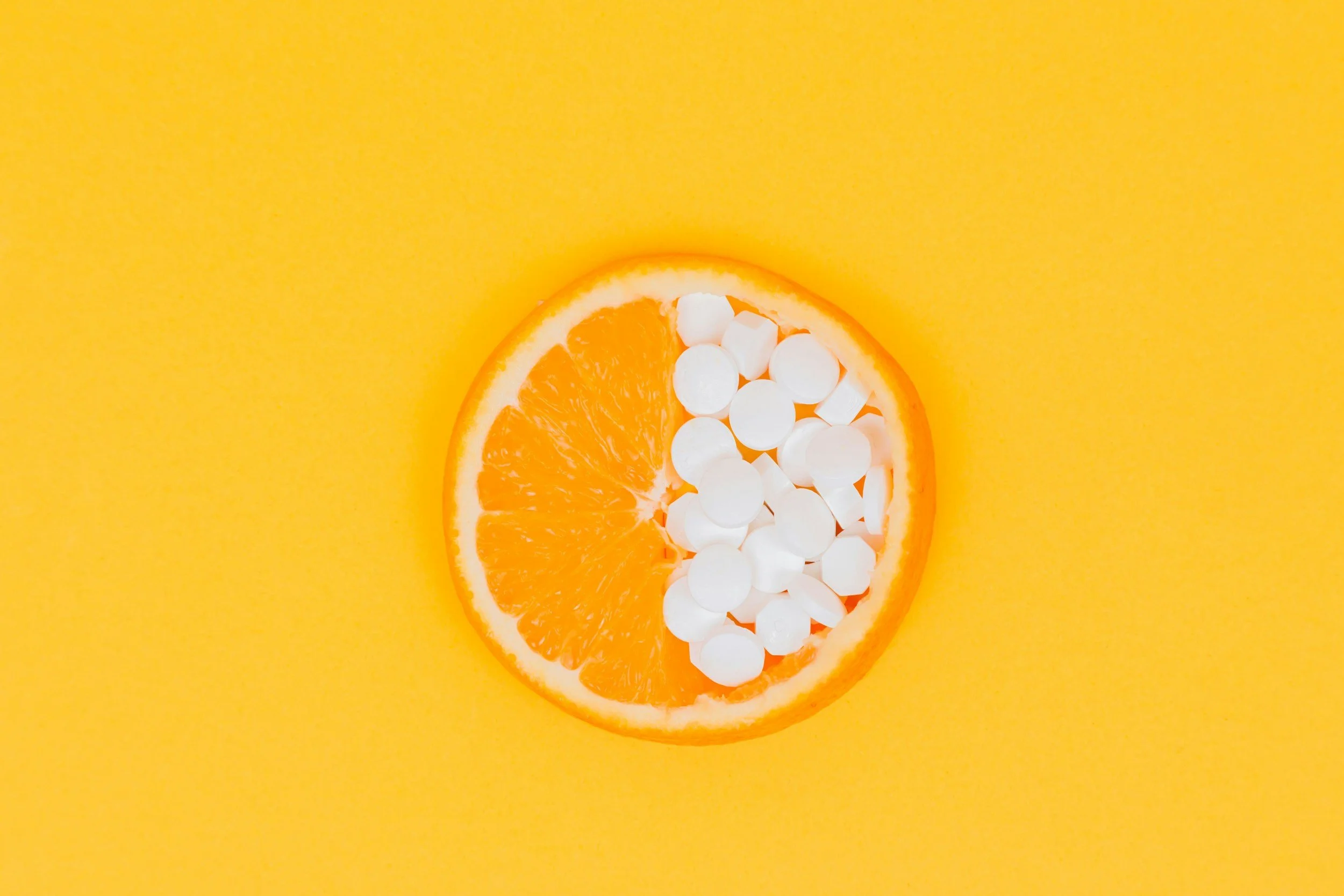
Vitamin C and Vyvanse: A Common Interaction Patients Are Rarely Warned About
One of the most important and overlooked interactions with Vyvanse is vitamin C (ascorbic acid).
Vitamin C can acidify the urine, which increases the renal excretion of amphetamines. In simple terms, this means the medication may leave the body faster and become less effective.
This does not mean vitamin C is harmful.
It means timing matters.
In practice, I often see patients who:
Take high-dose vitamin C supplements
Drink vitamin C–fortified beverages
Use powdered greens or citrus-based supplements
Take their medication with smoothies or juices
They then report that their medication:
Wears off early
Feels inconsistent
Suddenly feels weaker
Works one day and not the next
Separating vitamin C supplements from Vyvanse by about two hours is often a simple but meaningful adjustment.
Acid Balance, Urinary pH, and Medication Clearance
Few patients are told that stimulant medications are pH-sensitive. Urinary pH influences how quickly amphetamines are cleared from the body. More acidic urine increases excretion, while more alkaline urine slows it.
Diet, hydration status, supplements, and even stress can influence pH balance. This is one reason some people experience:
Shortened medication duration
Variable response based on diet
Increased side effects when dehydrated
This variability is not a personal failure.
It is physiology.
Liver Enzymes and Drug Interactions
Vyvanse is also affected by cytochrome P450 enzymes, particularly CYP2C19 and CYP2D6.
These enzymes help metabolize many common medications, including:
Antidepressants
Antiepileptics
Proton pump inhibitors
Antipsychotics
Blood thinners
Certain antivirals
When multiple substances rely on the same enzyme pathways, medication effects can be amplified, prolonged, or altered.
This is especially relevant for individuals who:
Take multiple prescriptions
Use herbal supplements regularly
Have genetic variations affecting enzyme function
Herbs Are Not Neutral Just Because They Are Plant-Based
Herbal medicine is powerful. That is part of why it deserves respect.
Several commonly used herbs may interact with stimulant medications through enzyme pathways or neurotransmitter effects.
Herbs that warrant caution with Vyvanse include:
St. John’s wort
Valerian
Ginkgo biloba
Sage
These herbs may:
Alter medication metabolism
Increase stimulation
Worsen anxiety or palpitations in sensitive individuals
A Nuanced Look at Echinacea
Echinacea is often considered a “gentle” herb and is widely used for immune support. Many people tolerate it without issue.
However, in some individuals taking stimulant medications, echinacea has been associated with:
Headaches
Palpitations
Sweating
Anxiety or panic-like symptoms
Blood pressure changes
This does not mean echinacea must be avoided universally. It means individual response matters, especially in people with already elevated catecholamines.
Serotonin Syndrome: Rare, Serious, and Often Missed
Vyvanse can increase the risk of serotonin syndrome when combined with:
Certain antidepressants
MAO inhibitors
Serotonergic supplements
CYP2D6 inhibitors
Symptoms may include:
Agitation or restlessness
Abnormal eye movements
Diarrhea or nausea
Rapid heart rate
High blood pressure
Sweating
Loss of coordination
Confusion or hallucinations
When identified early, serotonin syndrome is often reversible. Symptoms should always be reported promptly.

What Functional Labs Often Reveal Before Symptoms Appear
This is where lab testing becomes essential.
In clinical practice, especially with adults with ADHD, I frequently see elevated serotonin and catecholamine markers on Organic Acids Tests (OATs) before medication changes are made.
Common findings include:
Elevated dopamine metabolites
Elevated norepinephrine markers
Altered serotonin metabolism
Increased oxidative stress
Impaired B-vitamin-dependent pathways
When these patterns already exist, stimulant medications can amplify symptoms rather than improve them.
Without labs, these patterns are invisible.
With labs, they explain why:
Anxiety increases instead of focus
Side effects appear quickly at low doses
“More support” backfires
Why Lab Timing Matters More Than Adding Supplements
When symptoms appear, many patients respond by adding supplements.
Sometimes the better question is:
What is already elevated?
What pathways are already stressed?
What does the body need less of, not more?
Lab-guided care helps avoid:
Over-supplementation
Worsening neurotransmitter imbalance
Masking symptoms instead of addressing them
Supportive Strategies That Make Sense Clinically
When appropriate and individualized, supportive strategies may include:
Whole-food omega-3 sources
Consistent sleep-wake timing
Gentle movement over intense stimulation
Sunlight exposure and vitamin D support
Nervous system-supportive practices
These are not replacements for medication.
They are context for medication.
Vyvanse is not inherently good or bad.
It is powerful.
Powerful tools require understanding. If you are taking Vyvanse and experiencing inconsistent results, side effects, or confusion around supplements, it may not be the medication itself. It may be what your body is already doing underneath it.
Want Help Understanding Your Labs Before Making Changes?
My Read Between the Labs session was made for exactly this. For $99 I'll review your existing blood work, walk you through what I'm seeing alongside your medications and supplements, and give you a written summary within 72 hours. No guessing. No overwhelm.
